Kathmandu :The Human-Wildlife Coexistence Conference Bhutan officially kicked off in Thimphu today. The three-day regional event runs until November 18 under the theme “From Conflict Response to Resilient Systems in Shared Landscapes.” Nepal has also joined conservation leaders at the summit to share field lessons and build joint solutions.
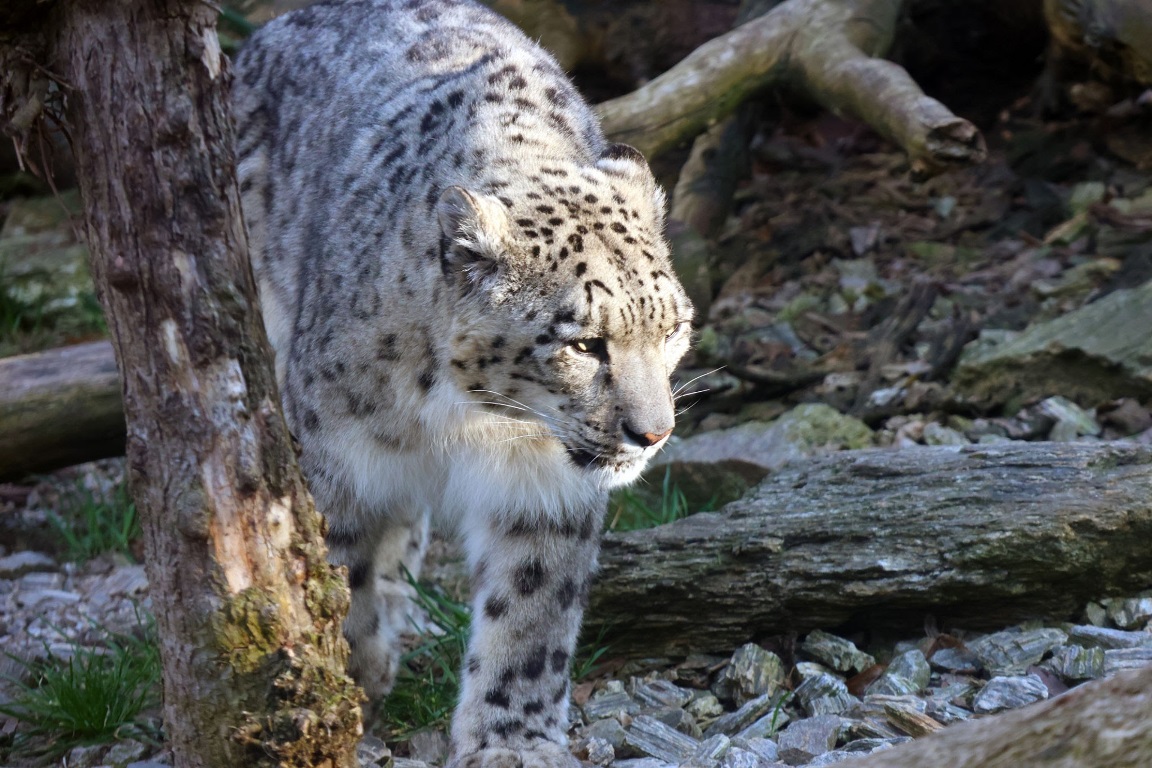
Organizers designed the summit to advance modern tools for managing human-wildlife conflict across shared habitats. According to the World Wildlife Fund (WWF), sessions focus on key species such as elephants, tigers, snow leopards, and crop-raiding animals. These animals highlight real-world links between forest corridors, new roads, farm losses, and daily village safety.
WWF Nepal Country Representative Dr. Ghana Shyam Gurung said the Human-Wildlife Coexistence Conference Bhutan comes at a vital time. Across the region, wildlife encounters are rising fast due to growing forests, road projects, land-use shifts, climate change, and population growth. More wild animals now enter farms and villages outside protected parks, threatening local livelihoods and food security.
Co-hosted by WWF Bhutan, the opening day explored the ecological and social hurdles behind these conflicts. Policymakers, scientists, local communities, and aid partners are examining why old conflict methods often fall short.
Instead, speakers are promoting fresh solutions through community action, modern tech, scientific research, and smart landscape planning. Readers can also explore more regional environment updates in our Nepal environment and conservation news section.
Over the next two days, delegates will draft a shared regional action plan. They aim to improve joint monitoring systems and secure long-term funding across Bhutan and the wider Eastern Himalayas. Ultimately, the Human-Wildlife Coexistence Conference Bhutan seeks to protect both endangered wildlife and local rural families for years to come.
Published on 2026-11-16 12:42