Yek Raj Pathak
Kathmandu :Nepal climate diplomacy must become a central pillar of the country’s foreign policy. While foreign policy stays consistent across governments, diplomatic methods must adapt to new threats. Nepal already focuses on labor, energy, and economic ties. Now, leaders must give climate action an equally clear mandate.
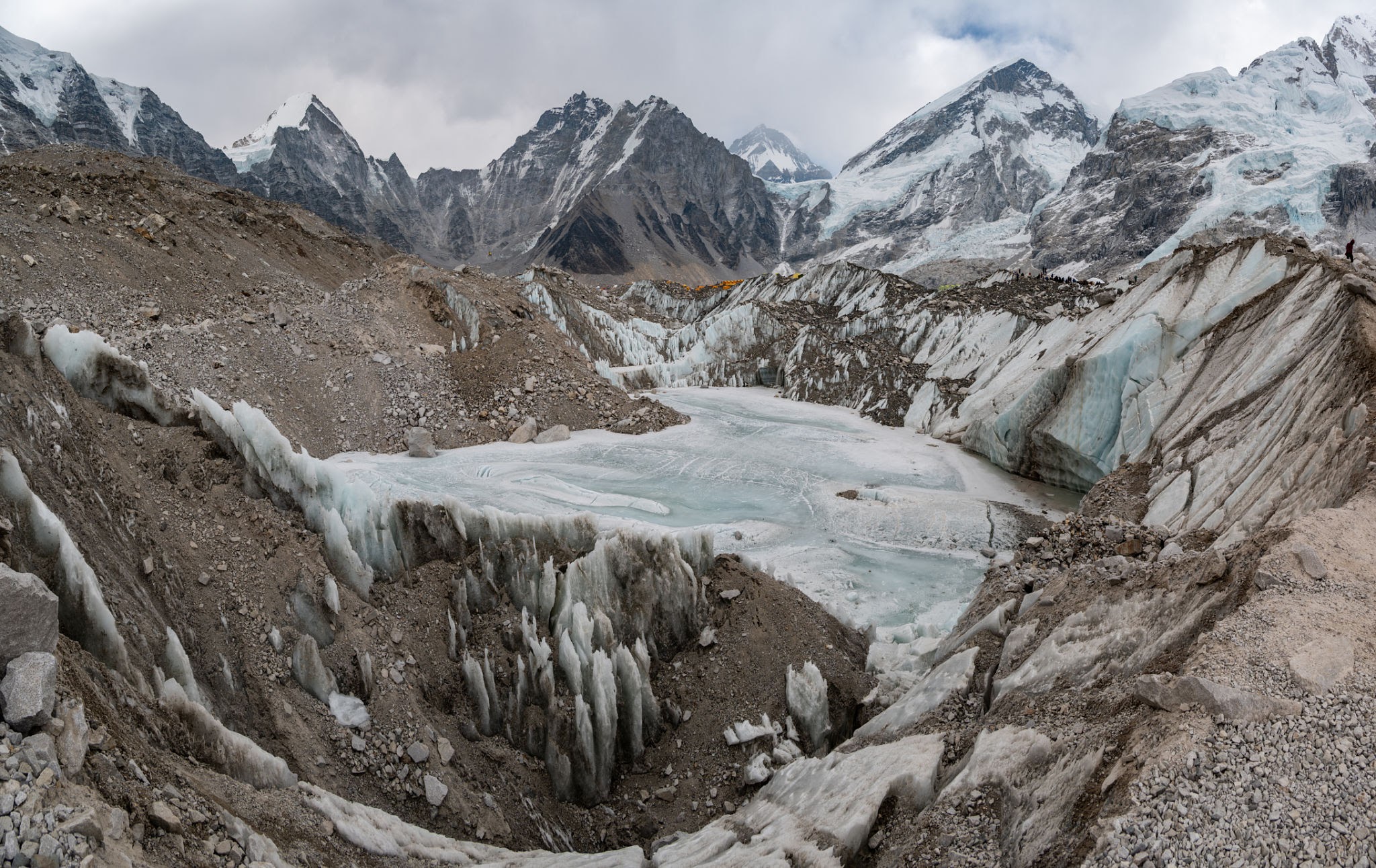
For Nepal, effective outreach serves two clear goals. First, officials must show the world the severe damage the country suffers. Second, they must claim Nepal’s right to climate justice. Nepal produces almost zero global carbon emissions. Yet, the nation faces extreme disasters, such as the deadly Bhotekoshi floods and recent Budhigandaki flooding.
Because rich nations cause most emissions, Nepal should not simply ask for charity. Instead, Nepal climate diplomacy must demand fair compensation at the United Nations and global summits.
To build a strong case, Nepal needs a permanent system to record disaster losses. Researchers and state agencies must track human, economic, and environmental damage from floods, landslides, and glacial lake outbursts. Clear scientific proof will link local disasters directly to global carbon emissions.
Nepal can also boost its voice by forming alliances. Partnering with other Himalayan nations, mountain states, and small island countries will create a stronger front. Melting glaciers and extreme rains threaten water and food security across all of South Asia. Nepal is well-placed to lead this regional push.
Treating Climate Action as a Long-Term Priority
Success requires treating Nepal climate diplomacy as a long-term national priority, not just a task for the Ministry of Foreign Affairs. Key ministries, the National Planning Commission, and universities must work together on one unified plan. Officials should raise climate losses in every bilateral talk, not only at big global summits.
Three years ago, UN Secretary-General António Guterres visited Nepal’s Himalayas and warned the world about melting ice. He later raised Nepal’s plight at the global climate summit. Nepal also presented its climate justice claims at the International Court of Justice nearly two years ago.
However, global attention alone is not enough. Nepal must turn awareness into real funding and fair action. Readers can explore more analysis in our Nepal economy and policy section.
Ultimately, Nepal climate diplomacy will test the nation’s negotiation skills. By using strong evidence and persuasive leadership—backed by the new environment diplomacy section—Nepal can secure a fairer global response to the climate crisis.
RSS
Published on 2026-11-16 12:00